

GRAMMAR
Introduction to Japanese Particles
A fundamental guide to understanding how particles function in Japanese grammar.

Learn more about japanese language fundamentals
A fundamental guide to understanding how particles function in Japanese grammar.
Learn how to describe the world with い and な-adjectives by mastering their conjugations for tense and polarity to create rich, descriptive sentences.
Learn how to point out objects, places, and people using the Japanese demonstrative system, based on their distance from the speaker and listener.

Learn how to combine the causative and passive forms to express when you are forced or compelled to do something against your will.
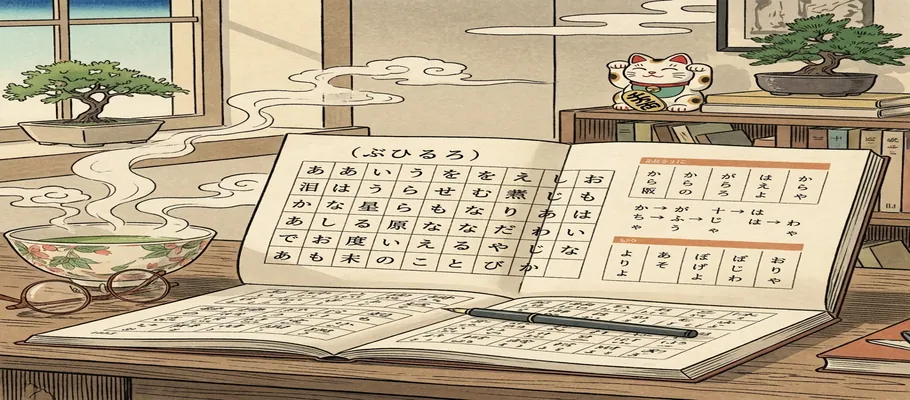

Learn how to express time in Japanese using hours, minutes, and AM/PM markers.
Learn how to use the ながら form to describe doing two things at the same time, such as eating while watching TV or studying while listening to music.
Learn how to distinguish between the passive and potential verb conjugations, understand the overlapping forms, and see when context blends their meanings together.
Learn how to ask questions in Japanese using the particle か, question words like 何 and 誰, and the right intonation for both polite and casual situations.

Learn how to talk about things you have done or experienced using the grammar pattern ことがある and ことがない.

An introduction to Japanese counter words and the rules for counting different types of objects.
Learn how to say 'can' and 'cannot' in Japanese by conjugating verbs into their potential form. This guide covers rules, particle usage, and common expressions.
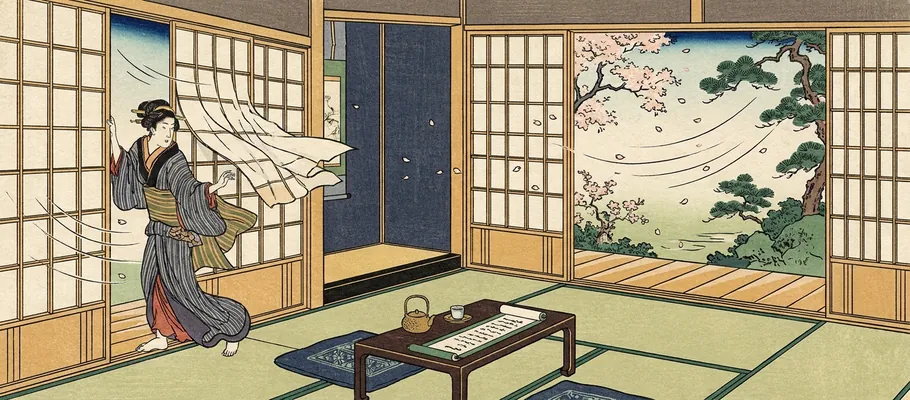
Understand the difference between actions you do to something and things that happen on their own in Japanese.

Learn how to conjugate verbs into the tai-form to express what you want to do, and understand the difference between wanting actions and wanting things.

Learn how to conjugate verbs, adjectives, and nouns into the te-form to link ideas and build complex sentences.
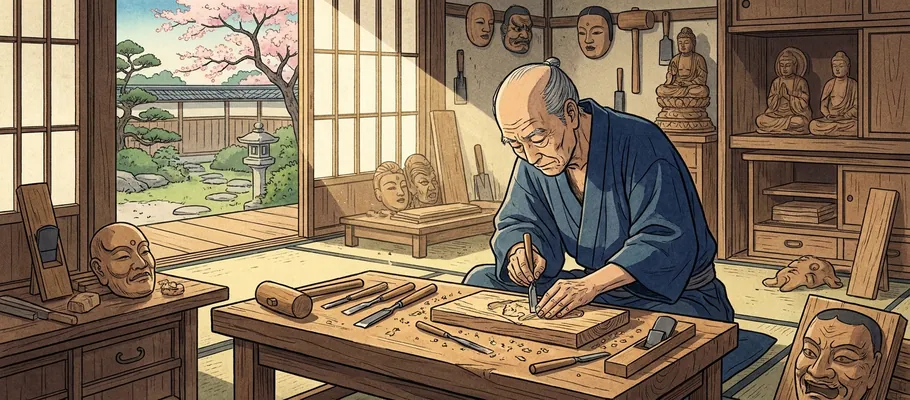
Learn how to use the ~ている (te-iru) form to express ongoing actions, habitual behaviors, and resulting states in Japanese.

Learn how to use the Japanese passive form to describe actions done to you, including the uniquely Japanese suffering passive.
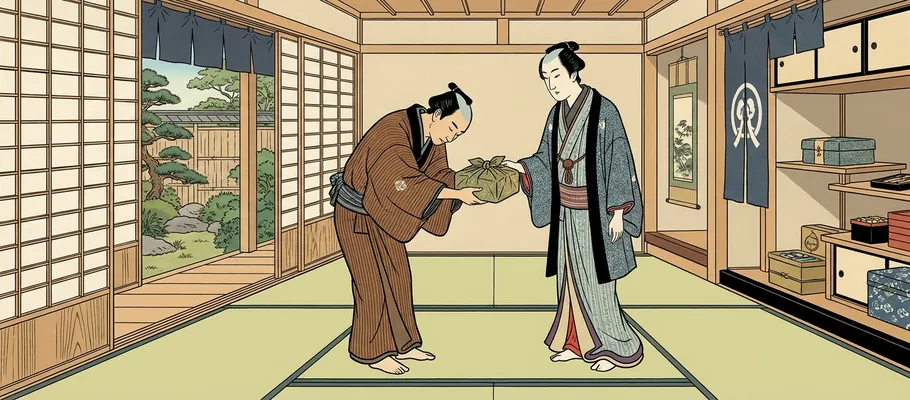
Learn how to navigate formal situations by using respectful and humble language to show appropriate politeness and social distance.
Learn how to use そうです to express both what you have heard from others and what things look like based on your own observation.

Learn how to use the Japanese volitional form to express your intentions, make suggestions, and state your future plans.

Learn how to say 'maybe', 'probably', and 'I think' using common grammar patterns like kamoshirenai, darou, and tabun.


Learn how to use たら, ば, なら, and と to express conditions, suggestions, and natural consequences in Japanese.
Learn how to conjugate verbs into the causative form to express making or allowing someone to do an action.
Learn how to express rules, obligations, permissions, and lack of necessity using common N5 and N4 grammar patterns.


Understand the crucial social dynamics of Japanese giving and receiving verbs (あげる, くれる, もらう) and how they reflect in-group and out-group relationships.

Learn how to compare things using より (yori), ほうが (hou ga), and 一番 (ichiban). This guide covers basic comparisons, superlatives, and asking comparative questions.

Learn how Japanese handles time with just two basic tenses: the non-past and the past.

This guide covers when to use ある (aru) vs いる (iru), conjugation, sentence patterns, and common exceptions for animate and inanimate objects.